
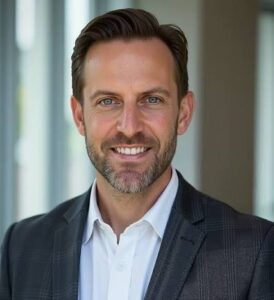
 Aaron Kurlansky is a co-founder and Principal of Sheridan Capital, where he oversees portfolio decision-making, asset acquisition and management, and the firm’s commercial loan origination business. He currently manages more than $750 million in assets and has originated more than $10 billion in commercial loans over the course of his career.
Aaron began his real estate career in property management at Crescent Heights of America in 2000 before moving into mortgage lending with First Meridian Mortgage, where he later became Senior Vice President. After the financial crisis, he and his partners spent nearly a decade acquiring distressed debt across commercial real estate before shifting their focus to senior bridge lending in 2019.


Insights from Aaron Kurlansky on Bridge Lending and Sponsor Selection
When rates move and a loan no longer pencils the way it did a few days earlier, Aaron Kurlansky pays close attention to what happens next. Sheridan Capital may have to resize the loan or change the structure, and the sponsor’s response tells Aaron something he cannot get from a model. Some understand that the market changed and start working through the problem. Others push back as if nothing has moved.
That distinction matters because Sheridan is not originating loans and handing them off. The firm holds and services what it lends, which means Aaron and his team have to think beyond getting a deal to the closing table. Their background in distressed debt also means they have seen what happens when business plans break down, sponsors stop executing, or a loan becomes a workout. That experience still shapes how they look at credit today.
In this episode of The Dealmakers’ Edge, Aaron Strauss and Aaron Kurlansky discuss how Sheridan evaluates sponsors, how the firm responds as lending conditions change, and where AI can improve analysis without replacing the judgment that comes from having worked through deals when things go wrong.
0:50 – Aaron’s path from property management to distressed debt and bridge lending
3:43 – Focusing on middle-market bridge loans from $10 million to 30–40 million
4:54 – Lending across South Florida, New York, the Midwest, Sunbelt, and West Coast expansion
6:16 – Growing Sheridan’s team and using AI in analysis and asset management
8:45 – Where AI helps and where sponsor judgment still matters
12:04 – Backing experienced sponsors and the difference between syndicators and family capital
13:52 – Adjusting credit decisions as rates and market conditions change
16:38 – Avoiding the race to the bottom and expanding beyond multifamily
18:43 – Why today’s basis is starting to make sense again for equity investors
21:16 – Managing chaos, lender expectations, and complex bridge transactions
26:02 – What real estate professionals need to know about AI, modeling, and markets
Mentioned In Bridge Lending in a Changing Market: Sponsor Selection and Credit Discipline with Aaron Kurlansky
Sheridan Capital Partners | LinkedIn
Aaron Strauss: You’re listening to the Dealmakers’ Edge with A.Y. Strauss. Diving deep into stories behind commercial real estate leaders.
Aaron Strauss: Hello everyone, welcome to the Dealmaker's Edge. Today we have a very exciting guest, Aaron Kurlansky, he’s based in Florida. He's the co-founder of, principle of Sheraton Capital. He's originated, in his career, over $10 billion in commercial loans, and his team is growing. He is extremely active in this market. He walks us through the discipline, that needs to take place to be successful in this market as a bridge lender, how he deploys AI, and the limitations of AI. And as well, the mindset that you need to have, to be successful in this business. It's a great conversation, and I hope you enjoy it. Aaron, really appreciate you being on today.
Aaron Kurlansky: Thank you for having me.
Aaron Strauss: Then we will go back to the beginning. I know, you started a real estate career around 2000, is that right? You got the property management?
Aaron Kurlansky: Yeah. So we, I did some Property Management. I was actually supposed to go to law school. I worked at a real estate company, in their Law Department, and then I said “Okay, I don't understand. So I'm sitting here, highlighting papers all day? And all the guys over there, with, driving the Bentleys in the Ferraris, those are the guys making all the money. So let me go to that side, and work over there." So, I started there, and then I went into the residential mortgage business after college. We had a good run 2009-2008, 2009 that, that kind of ended, you know, with the great financial collapse, and at that point we, my partner and I, at the time I was working for him. David Bresher. We put some money together, and we bought distressed debt. We pretty much did distress buying from 2009 to 2018 or so, where we teamed up with the hedge fund, who's currently now our partner as well, in Sheridan, and we bought nonperforming loans for apartments, commercial real estate, all different types of real estate. And 2019 we started lending. The distress kind of thawed, in the market, so we started focusing on senior bridge lending which is kind of what our core is today.
Aaron Strauss: And you’ve been really active in that space, too. And I know, 2019 in retrospect, seems like the perfect year to really ramp Sheridan, right? Because it was still pre-covid, you can get some of the kinks out of the system. But also from ‘23 and beyond, the demand for bridge capital has just exploded. Maybe you could talk a little bit about getting started in the bridge space? There's obviously been a lot of launches in the space, and I'm sure you see it getting more and more competitive each year. But kinda the origins for setting up, making those first deals, underwriting, and just kind of how you got started in that?
Aaron Kurlansky: Yeah. I would say there's definitely been a lot of, there's a lot of debt funds out there, there's a lot of cheaper capital, and warehouse financing. That being said, it always sounds great, you know, the returns look really good. Bridge lending is really good when it's good, but when it's bad, you really need a lot of capital, kind of get your way through it. And you don't have the same issues as you do, obviously, with equity, but there's definitely a lot of challenges that, that are coming our way now, and came our way during covid, you know post covid times. But, you know, in terms of the space in general, we really pick our space. We really focus on middle market bridge lending. Which, we would, we call 10 to 30-40 million dollars, you know, so we really like to compete in that market, we don't like doing huge loans, because our cost of capital is not cheap enough to compete with much larger shops. And in general, if you're doing a big loan at a spread where we are, you're probably getting, you know, inversely selected. You're getting a rougher type of deal. So, we'd rather be really good in our middle market space, get really good quality sponsors, that need really good sponsors, do smaller deals, or have smaller deals that they need help on. That's really been our focus over the last, I would say post-covid boom and bust, is really kind of what, what our focus has been.
Aaron Strauss: And I know you’ve been as busy as ever, recently. It's like these many cycles compressed up top of each other. But also from a geographic perspective, even though your headquarters’s in Florida. I mean, I think you've loaned capital in many different states. Do you have any tendency to stay out of certain geographies, or focus in certain markets? Or it's really kind of, follow the best borrowers wherever they need?
Aaron Kurlansky: In general I’m kind of agnostic. That being said, we do like South Florida the most. Because we know it really well. We're, we have an office in New York. So, depending on what it is, you know. Obviously, we like New York. But otherwise most of our deals are Midwest, Sunbelt type of deals. We did recently open an office in California, because we're really trying hard to figure out that market. We've done really zero business there to date. A couple deals here and there, but really looking at, to kind of expand over on the west coast as well. And geographically, technically, we probably lend in most, I would say, we, we lend in the states that matter.
Aaron Strauss: Fair.
Aaron Kurlansky: We haven't done much in the Dakotas, although they're very pretty, and nice to visit. But. Alaska, we haven't made our way to. In Hawaii, it's just too far. But otherwise, yes.
Aaron Strauss: Fair enough. And to our one listener in the Dakotas, I’m sure Aaron means that with the most utmost possible respect.
Aaron Kurlansky: We almost did one.
Aaron Strauss: But very cool. And how about the team? You've grown a team, developed a big portfolio, you're managing a lot. There's a lot of loans to service, they have, so maybe we can talk about how the team is composed, if you’re adding more people, are you comfortable with the team size? How are you structured to, you know, manage this portfolio everyday?
Aaron Kurlansky: Yeah. So, we’ve definitely grown over the last, you know, since we started really, in 2020. 2020, I was saying I was under writing guilt in asset managing. I thought I was doing a pretty decent job at the time. But until now, you know, we have about 35 people. You know, we have a team of asset management. And, I would say, with AI, has helped us tremendously on our analysis and our asset management, and really our just, production. We try to use AI for, I would say, the more grunt work type stuff, and less for the, we still want the human element, and we want people to think. Critical thinking is very important, on bridge lending, because it's all about trying to understand if they're able to execute their business plan, how they're going to do down the road. If, if they're actually executing their business plan, no matter what they're telling you, that you're really spending a lot of time on critically thinking, and assessing the deal. AI’s been great, but I would say our team is really good at, kind of, understanding what goes on and what can go wrong. So I would say, our background since it's from distressed debt, we've been in every single bad situation possible, we’ve dealt with every type of workout, bankruptcies, whatever you want to call it. So we do have that type of experience of, what can go wrong, and things do go wrong. Unlike a lot of bridge lenders, we hold our loans, and we service them; we don't sell the paper. Therefore, for better or worse, when there's an issue, they call us, we work through it, you know, hopefully and, you know, can help come up with solutions as long as there's some kind of communication there from the other side.
Aaron Strauss: I'd love to get an example of where the line between AI, kind of, stops and starts. Because it's really cutting edge conversation. We were having it in law firms, we're having it at accounting firms, whether they’re bridge lenders, investment banks. It's almost like using the technology, free’s up people's time to do more deals. So in fact you're busier, you're faster, it's like, you know, an email came versus writing a letter by hand or what not. But that line between that emotional intelligence, and kind of, what your gut says, versus what you know a genius computer can underwrite. I don't know if you have an example, or two, of that. But that's, that's the fun stuff to dig into if you have an idea of that, an example?
Aaron Kurlansky: It's interesting. So I would say it's been really good for analysis. It's been good for reporting purposes, you know, on loans. I would say, what usually took us 20 hours to put together takes two now. So it's helped considerably in terms of, you know, our deliverables. We’re able to be a lot more efficient. But what it's not great for, is being able to really detect if you feel the sponsor can actually execute on the deal. And that's kind of like, a holistic discussion. We really like to meet our sponsors in person, before the, we lend them money. We would like to see what they've done in the past. Nowadays, I would say post rate hikes, you know, as things have kind of, thawed and we believe bridge lending is all a jockey bet. You know, that's where we're betting on. We could be lending to a great apartment complex, but it can fall apart and in a month, or two months, with bad, bad ownership, bad management. And we can only do so much as the lender, we can say “Hey you're doing a bad job.” But by the time we take it back, it's, that goes bad. It's going to be a really long time away. So having credit discussions with sponsors, and really understanding, who they are as people, is probably the, is the one thing that AI can't really do. You know, do, does the sponsor you get on a call, things change, obviously, we all know rates went up pretty rough over the last couple weeks. Deals change, metrics change. When you deliver that news “Listen, we were telling you you can get to here, now we gotta call your loan, because rates just went up 30, 40 basis points. So it doesn't exit, it doesn't work.” How do they react to that? Do they scream and yell, do they threaten? If they do, it’s maybe not someone we want to do business with. Whether we can get the loan done or not. Do they understand it, you know, do they try to work collaboratively with us? That's probably someone we want to try to lean into. So that's, I think the part that AI misses and, where we really try to understand our borrower. We like to say we’re a retail lender, meaning we wanna know the sponsor. Like, we wanna really know him, and understand him. Understand how he’s, not necessarily, you know, a lot of lenders, will look back and say, “Oh, how is he, in this situation when he had a foreclosure 10 years ago?” Did he litigate, did he not? It’s a little bit different, it’s a little bit like. Okay, maybe he litigated, maybe he had a real claim. But like, does he actually know what he's doing? Is he actually like, a good person to deal with? And that, you can’t get from AI.
Aaron Strauss: Yeah, well said. I’ve been saying, the further the technology advances, the greater the value in human judgement. Around things like emotional intelligence, like that gut feel. You need to retain that. That's really your competitive edge, when you come down to it. If people are using the same tools, to source the same business, for the same opportunities. Your experience coming to bear, in that room, with that sponsor, at that time, having been there before, and that things went wrong, with a similar type of attitude and approach. So that's really well articulated, I really appreciate that.
Aaron Kurlansky: Yeah, 100%. We just did a loan for a sponsor who was a very well known developer in Miami, a pretty large loan, and it had all sorts of twists and turns and complications. But at the end of the day, we knew he's done 20 billion dollars in business, he's never defaulted on a loan. I've known for 25 plus years and will be fine, at the end of the day. Things go wrong, things happen, they'll figure it out. He's well capitalized, and he'll spend the money on it. It's also, the other thing that's very important to understand, are these syndicators, or are these really like, family offices and investors. Syndicators will only go so far, you know, to, to help save an asset. At the end of the day, they got their fees to get their asset management, but if they see there's no end in sight, they might not come in with extra money. Whereas people that are investing in real estate properly, families writing real checks, those deals end up doing well even in the downturn or if there's a, you know, a hiccup.
Aaron Strauss: I fully agree. Maybe talk about the market snapshot right now. You've been very active, I mean I think you've closed a hundred million dollars of deals just in the last month or two. So you're really putting out a lot of capital, and you're a known brand, a known lender, you're doing things the right way so you're seeing great deal flow. It's not like you just opened up. You're seeing great deal flow, and you know, every day you're kind of assessing risk, you know, market, rates, sponsor, all the nuances. Are you seeing anything concerning to you, in the market right now that would make you, want you to take off, foot off the gas a little bit, versus another time? Or every deal, every market, has to be assessed in real time, this is no way to answer that really.
Aaron Kurlansky: Yes. No, we were actually just discussing this just before this call, internally, because, obviously rates have gone up considerably, you know, treasuries north of five today, which is high. So, high we haven't seen in years, and the market is very slow to react to that type of stuff, in a sense that, other lenders might not react to, as quickly, if they're much bigger corporate lenders, equity and borrowers, and buyers, don't react as quick as they should, because they've been working on the scale for four, five, six months, seven months, a year. Like, whatever, rates’ll go back down. And for us, we're still, we're large but we're still nimble enough that, like, we know we’ve got to make a decision today, and we’ve got to change the way that we looked at that deal, Friday till today. And it's, it's a constant discussion, but it kind of goes back to the point we're just talking about. If the sponsor is, really, knows what they're doing, and they see eye-to-eye. Was like, yes this market changed, yes we got to change a little bit here and there, and they're willing to kind of like, roll with the punches with us. We could probably figure something out, earn out some different structures to get back to where we were. If the sponsor just say “No, you guys are ridiculous. Market’s fine.” Thats probably not the guy we wanna lend to. So, yeah, you know,so we change our credit decisions every day. Is the way it is, in every market. You know, we find something interesting out about a market, we see a sale come, that we do put all the stuff through AI, but our guys are always reading, tryna understand what deals are closing. Following up with brokers, because you really got to have your eye on the ball. And you know certain markets will fare way better, but when rates go up as much as they did, you're going to be another big correction that, it's still going to take a couple of months till that correction like, works through into pricing and whatnot.
Aaron Strauss: Absolutely. Have you, I’ve heard this anecdotally, I’m not in your business, but with the attractiveness of bridge, right? ‘Cause equity’s been very, very challenging from probably ‘23 and beyond, or, you can even argue before. That there's been a lot of competition where even, you know, extremely reputable, successful, Sheridan Capital run by, you know, great people who know how to underwrite great deals for great sponsors can even be priced out, because people are so aggressive to try to do deals and put themselves, almost in a, adverse position just to be active in the market. Have you seen, kind of a saturation, that makes you nervous at times? Or, or you still feel pretty confident there's enough deals out there for everybody, to underwrite and hit close?
Aaron Kurlansky: The answer is yes, there's a lot of competition, and it's not very hard to get a cheap warehouse line, and start lending on multifamily. That being said, do we want to race to the bottom with everyone? We really don't. So for us, we've kind of pivoted, I would say over the last 6 to 12 months, as it’s got so competitive on multifamily bridge we, we still do it. We pick our spots, we do maybe a heavier deal, heavier value at deal, for a sponsor, or with sponsors that we’ve done repeat business with that just know that they need to close. We’ll get, we’ll be there at the closing table. While we’ve pivoted to other types of assets. We’ve done a bunch of office deals recently. We’ve done some covered land deals, you know, some pre-dev deals. We're really lending more to the sponsor, some retail recently, stuff that we probably wouldn't have been focused on previously. Because multi’s easy. Very simple to figure out what things are worth on the multi side. All these other types of assets, where it's office or conversions, or covered land, these deals are very idiosyncratic, and require a lot of brain damage and work. But we're able to get spreads there, and we're able to get a, really great sponsors, and they’re, we’re not seeing the level of competition that is in the multispace. So I would say, we're, where we were doing 80% of our book multi a year, a year and a half ago, I would say it's probably 50% of our volume right now.
Aaron Strauss: Well said. And I know, historically, you've done a lot of the equity side, obviously bridge lending is the, the core business. But a certain point, you do see a certain point, people shift back into the equity markets. Maybe not today, and certain people are doing it now, maybe considered, you know, pioneers if you will. But at least I'm seeing it all of a sudden, people are saying “You know, what I want to be sort of early in this, this next cycle.” And are you seeing an increase of people just being more open-minded to buying at today's basis?
Aaron Kurlansky: You probably should be buying at today's basis. Because, aside from, actually the last 2 weeks aside, and maybe price it, maybe you got a price it down a little bit more now, with the treasury. But yeah, you probably should be buying now. The real problem I'm seeing is, so many people have so many legacy issues, and PTSD for whatever it is, that they're not moving as quick as they would have. As you know, when 2009 came, we started buying a lot 2010-2011, on the equity side. You know, at one point we had about just under 20,000 units. And it was a simple, very simple formula. You take care of financials, put your cap rate on, and that's it. No complicated financial engineering. It's very simple. And things made sense then, all the way through probably 2018, ‘19 right until covid, basically, things started to make, you know, things actually made sense on paper. It's starting to make sense again now, it's just, it's hard to find equity investors for deals, because equity investors all have legacy problems, and just a hangover from deals that they, well they made. They forget all the money they made in the business, but they remember all the money they lost.
Aaron Strauss: Well said. Speaking of people losing money, there's always somebody gaining or losing. It's very stressful and you've done a great job, you know, just building this portfolio, being active on the bridge side, and the equity side, historically, and a diversified portfolio as well. You know, great underwriting, great phones, great infrastructure. Maybe you could talk about your edge a little bit. This podcast’s called A Dealmaker's Edge, so obviously you've got, you know, what I'd call your intellectual property, you know, your manner of underwriting. The way source deals and sponsors, and use technology, and hire a great team. But there's a lot of mental focus that requires you on a day of tremendous chaos, to just sort of step back, you know? You present this, very excellent sense of equanimity, and calm, and composure, and you've been through a lot, but you know. Maybe somebody listening to this is sourcing the third or fourth bridge loan, and it's just going haywire in a horrible fashion, and you have to kind of talk to yourself in a way that's going to be, healthy enough to evolve with these markets, and cycles, and challenges. So maybe you can share, if you're comfortable, kind of like, that mental agility and resilience you had to develop?
Aaron Kurlansky: So it's a good question, ‘cause yeah, you're right, there's chaos every day in the market. Things change, new things are found out, and even the deal you think is going to be, you sign up a deal like, this one seems middle of the fairways, and then there's a zoning issue there's a, some other kind of issue, that kind of pops up midway through. And you really have to think. I mean, the main thing is, one is, you can't take it personally. And you got, and you have to manage expectation. The way that it works, it's bridge lending, is not bank balance sheet lending, meaning permanently. When banks lend permanent loans they want stability, they want stable assets, they want no headaches. That's kind of what that is. Bridge lending is the opposite. Bridge lending, you have to roll up your sleeves, you got to figure it out, you're, you're really creating, like a loan thesis. So if you're bringing in a deal, you have to be part of that. Like, meaning, you have to really be, help be part of the solve, and not just pushing paper, and yell at people, and shave every last dollar off the lender. For example, lets say you’re doing a deal with X lender, and the lender gives you a term sheet at, I don't know whatever, pick up number 450 over so far, and you push that lender down 395, you know, 375 and the lender maybe gets agitated but gets there ‘cause they want to do the deal. If there's any hair on the deal, throughout the process, the lender is not going to be happy. And they might drop the deal because, you basically took any ability for them to make money on that deal away from them, and now you just involve them in a headache. Whereas, if you didn't, if you say “Listen lender, I think this deal might have a couple hiccups on the way, but like, listen I'm not going to kill you on your spread, because there are going to be issues. And we'll figure them out together.” That is a much different process, and it looks much different to closing. And therefore, it would be a much smoother transaction. Whereas if you started adversarial at the beginning, I know you got a better deal for your client, but you might not have got a better deal if the lender doesn't show up to the table. So it's very important that the lender, and the lender is the largest, the bridge lender is the largest investor in the deal, so they need to be comfortable and they need to feel like everyone's kind of moving and throwing the same direction. They feel that there's an adversarial relationship already, it's not going to, it's not going to really end well. So sometimes hang a little more, and you know, we're not the cheapest game in town, we’re not the most expensive, we're in the middle. But, are we going to shave every last quarter of a point on a deal? Usually not, because we'll tell them, the analogy I always use is, The Four Seasons is very expensive, but it's worth it. You want to go stay in The Hampton Inn, go stay in The Hampton Inn, it's a different experience. It’s up to you, you have a problem at The Hampton Inn they’re not gonna help you at the front desk. The Four Seasons, you can get whatever you need, anytime during the day. It's just a different, it's a different animal. So the best advice, really, is to really understand what the deal is, like from the bottom up. Really understand the challenges that you foresee, and manage the lenders expectation, and manage the borrowers that expectation. And, and, all parties really need to be kind of, working on the same, rolling the same direction, to get to the end. It is then, it's a great process, even if there's hiccups and methods ‘cause everyone's on the same team.
Aaron Strauss: Yeah, I think you just gave a master class, in just like, managing stakeholders at a very complicated, challenging, fluid dynamic. It's just applying patience, goodwill, give and take, you know, applying best practices, and just if somebody's unreasonable or unruly, you're just not going to want to be with that person long term anyway. Maybe, and I appreciate the time, and we can wrap with, you know, you're a busy person, I don't know how much mentoring you got a chance to do, obviously, on your team, you're organically mentoring, people are watching you daily, your team is leading up to you. Maybe you could talk about, you know, what do you think people need to have in their toolkit today for success? You know, the up and coming, next gen, real estate professional in this very, very newfound world of AI and technology, and everything else. These principles never change, that you're describing, but if somebody's meeting with you for 45 minutes, and they want sorta, career advice, whether it's in lending, or equities, or real estate, you know, what are you telling them when you're sitting with them?
Aaron Kurlansky: It's a good question, and I, I teach like, an entrepreneurship class at a local high school here. So it used to be Excel, Excel, Excel, you know? Now it's, you know, and now I tell them, if you don't know AI, and you don't know how to vibe code, you don't know how to make yourself useful with AI? You're unhirable right now, at this point. That being said, you know, we like to have people, hire people, with generally a real estate masters degree, and I'm kind of agnostic to where it's from. More the fact that, they went through that process. It shows that you could show up every day, shows you could take tests, it shows that you did something, and you have some basic knowledge. I think it's very important now, real estate has changed so much over the last 15-20 years. Where it used to be, you can buy a building, and you know show up every day, and add value, it’s a different business now. It's very much modeling, it's very much financial engineering, it's knowing the markets, it's a much different business than it used to be. And therefore, it's super important to know all that. The other thing that we always say is, read. You know, silly as it is, you got to know what deals in your area. Why that property sold in your area, why this one didn't ,what's the pricing? Like, you really gotta know your, you gotta know your market, and you gotta know it well.
Aaron Strauss: Well said, Aaron, these are timeless amazing pieces of advice, and you’re certainly doing a great job of executing deal flow in this chaotic environment, riding all these different waves, keeping a good sense of calm, being good steward for fiduciary of capital, and you know, I really want to watch your continuous success. I really, really appreciate your time.
Aaron Kurlansky: Thanks so much.
Aaron Strauss: Thank you for joining the Dealmakers Edge, don't forget to follow us on your favorite podcast platform. And please, give us a five-star rating so more people can follow the conversation.
The Dealmakers’ Edge with A.Y. Strauss highlights the stories, successes, and struggles behind major commercial real estate investors. Each episode offers a behind-the-scenes look at commercial real estate leaders and their unique edge.
Hosted by Aaron Y. Strauss, Managing Partner at A.Y. Strauss
 Aaron Y. Strauss is one of the leading legal advisors in the commercial real estate industry, providing insight and guidance for billions worth of transactions during his career. As our firm’s founder and managing partner, he has positioned A.Y. Strauss as one of the region’s most respected law firms for commercial real estate owners, lenders and sponsors, serving the needs of our clients with the utmost in care, integrity and transparency.